

Welcome to Hongmi

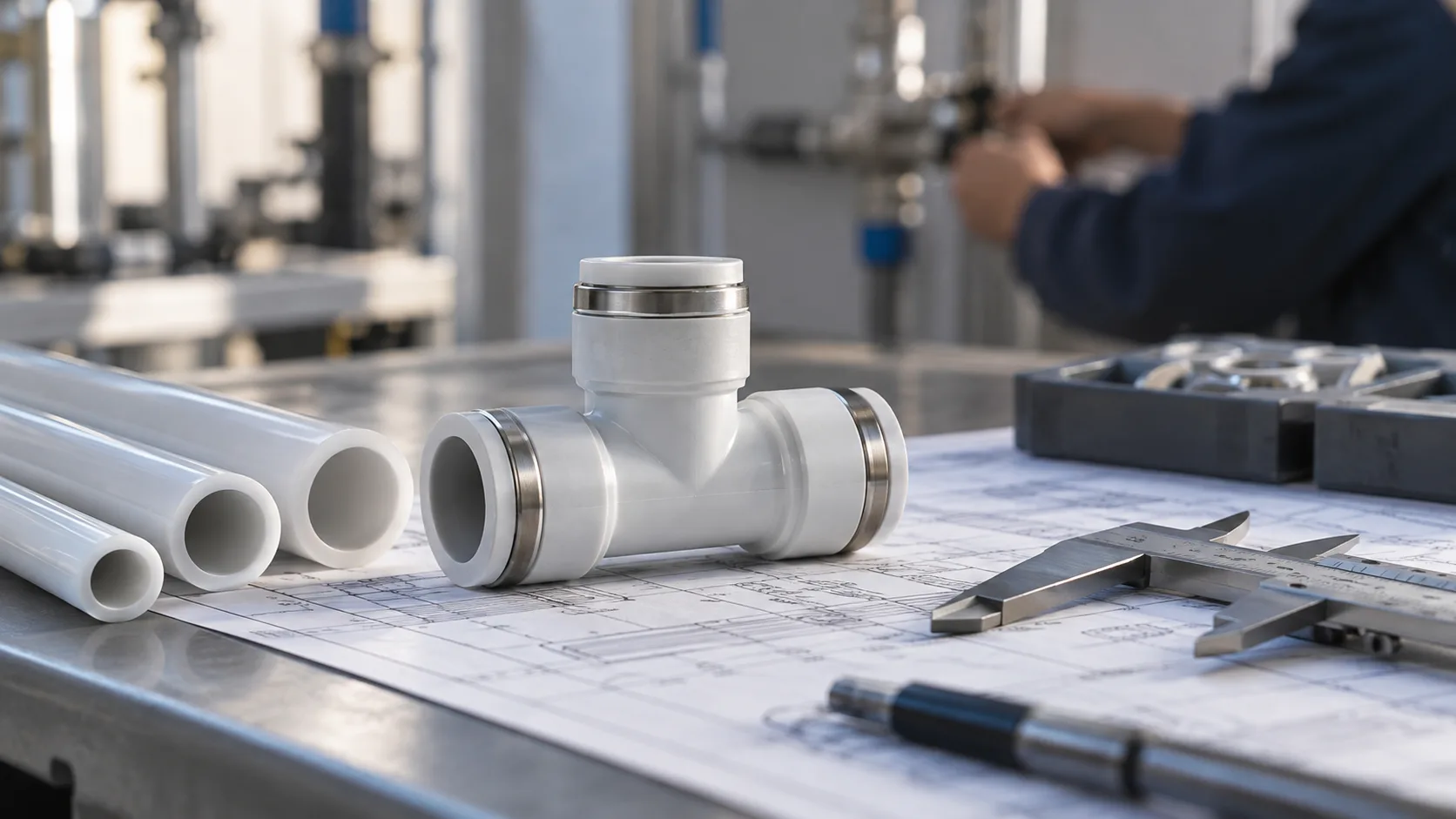
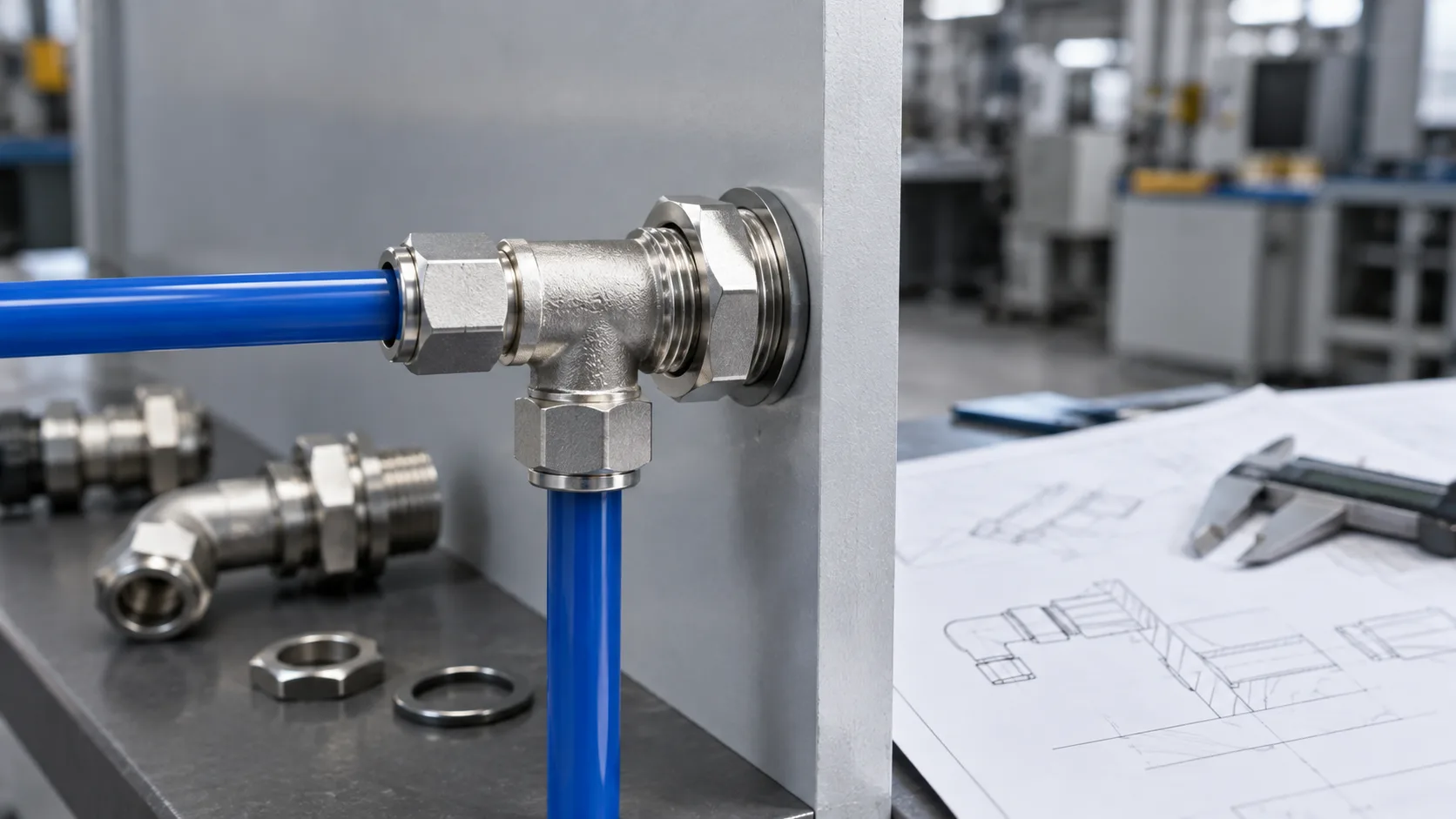
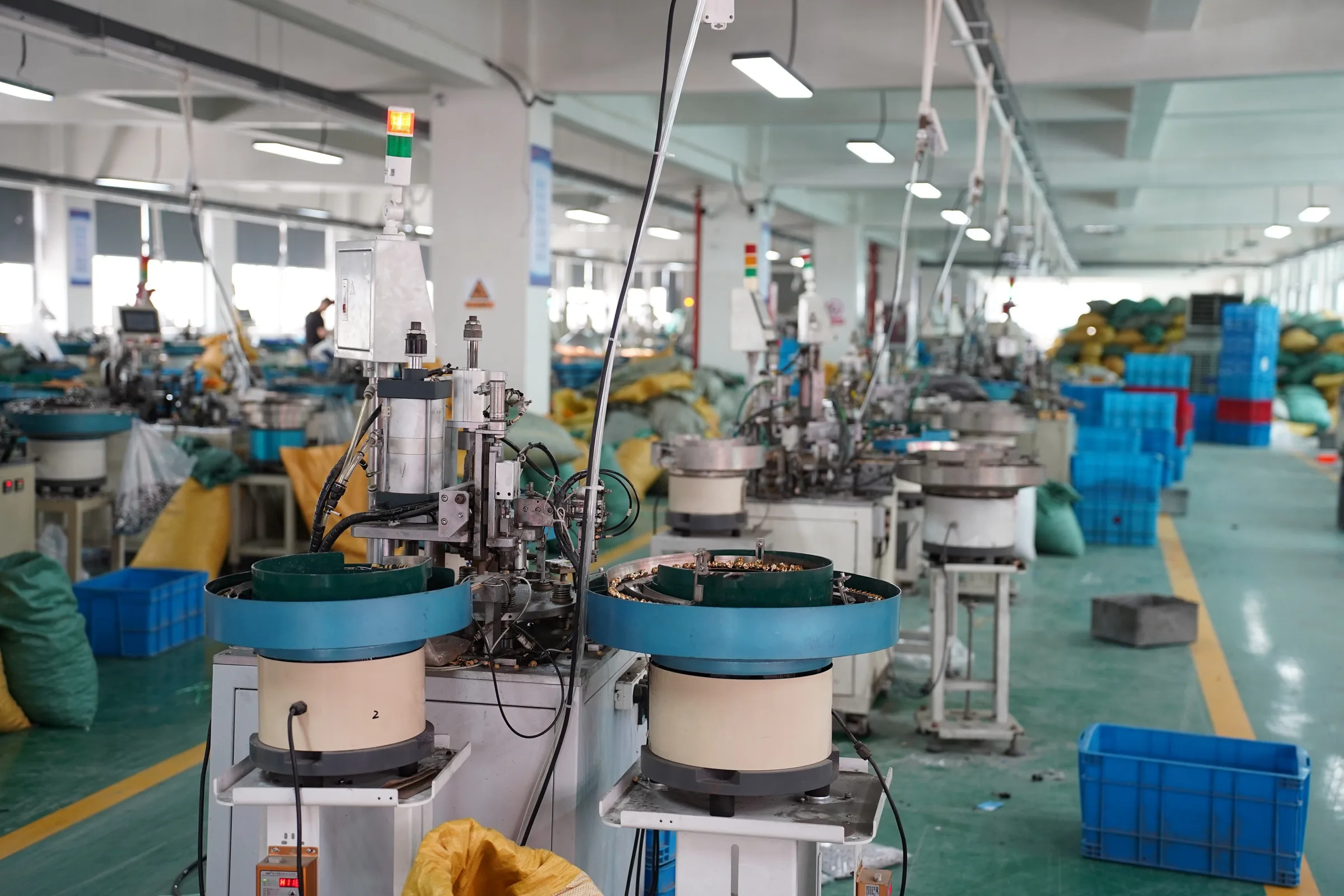
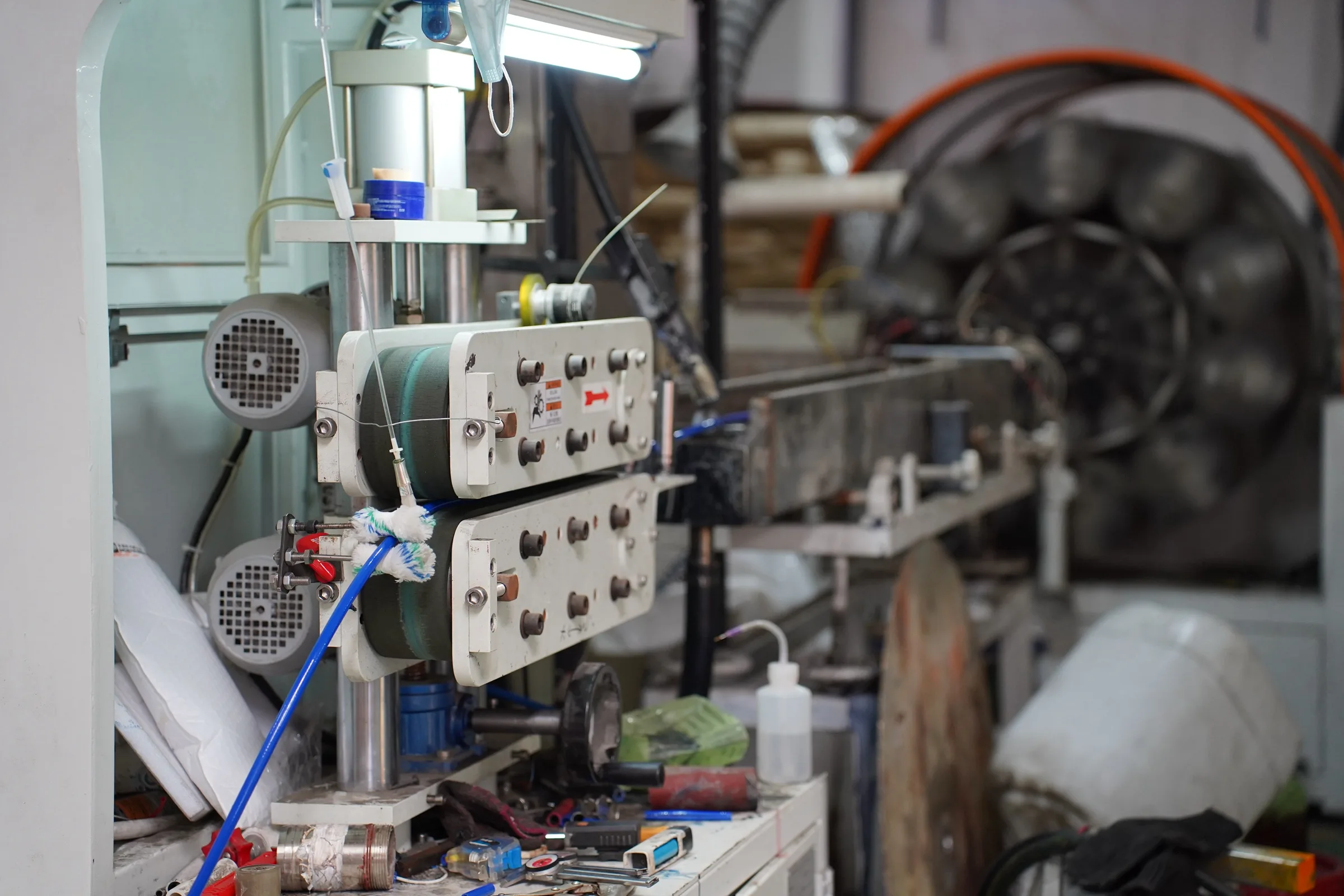
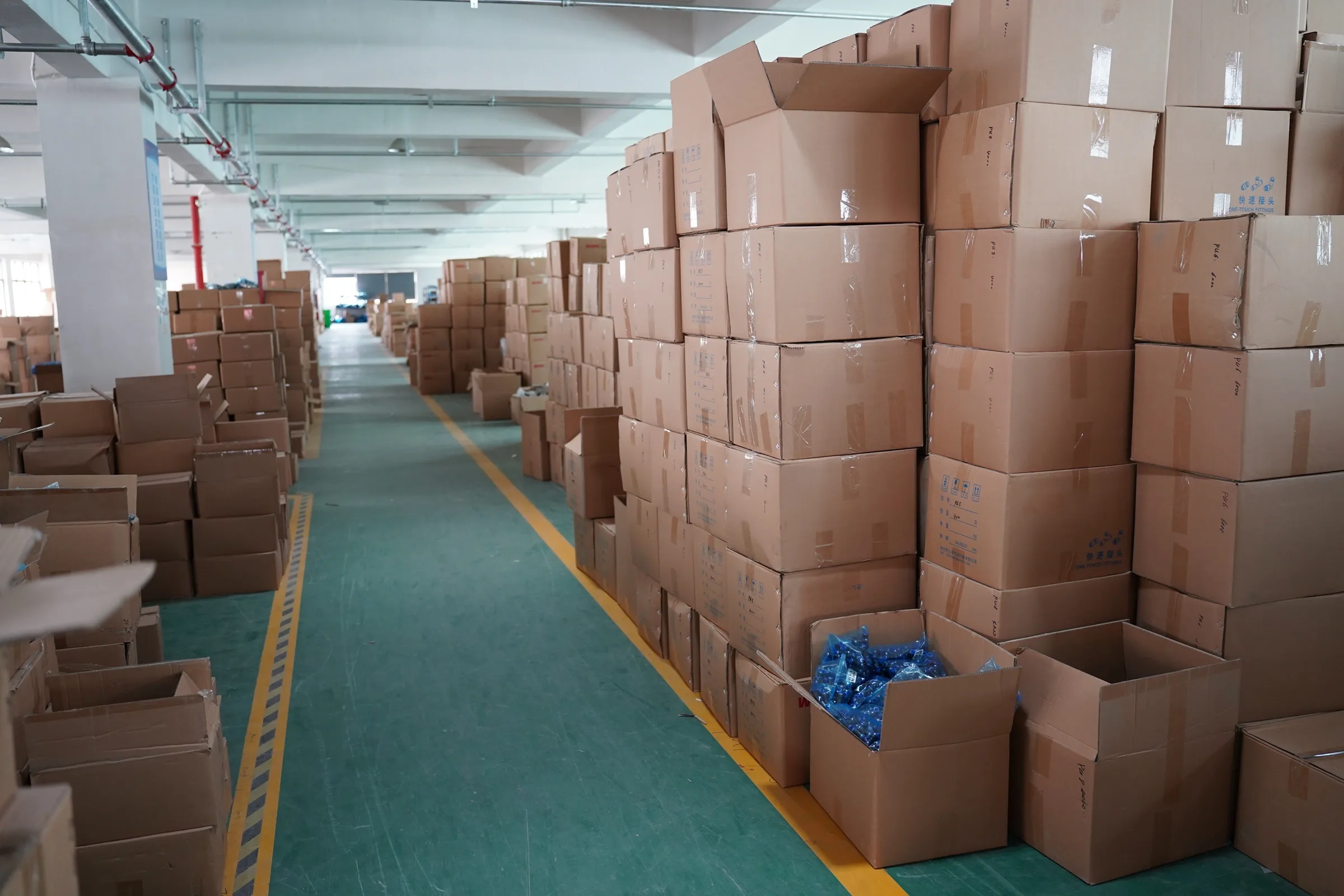
Our factory was founded in 2007 and covers an area of 1000 square meters. We have our own R&D, production and sales teams. Our factory mainly produces all kinds of pneumatic joints, PU air pipes, PA air pipes. At the same time, we also cooperate with other factories to produce various types of cylinders, air source treatment FRL unit, and so on. Our aim is to provide customers with high quality and low price of cost-effective products.

Welcome to Hongmi

Wenzhou Hongmi Pneumatic Co., Ltd. was founded in April of 2021, as the trading headquarter of Huiteli Pneumatic(Hydraulic) Co., Ltd. in Wenzhou, Zhejiang province, which has the production experience over 17 years. We are integrates industrial company of manufacturing and exporting, mainly specialized in various kinds of pneumatic fittings, including joints/connectors, PU hose, PA hose, air cylinders, air source treatment unit, solenoid valves/water valves, as well as the vacuum accessories used for robot industry, etc. Our products covered SMC type, Airtac type, and Festo type. Just tell us the list you need then we will offer you the right thing with competitive price.

Explore Our Products
  • Pneumatic Fitting

    View More

    Pneumatic Fitting

    View More
  • Air Hose

    View More

    Air Hose

    View More
  • Solenoid Valve

    View More

    Solenoid Valve

    View More
  • Pneumatic Cylinders

    View More

    Pneumatic Cylinders

    View More
  • Air Source Treatment

    View More

    Air Source Treatment

    View More
Why Choose Us

Hardware industry leader

Has a world-class automated production equipmentand testing equipment hardware equipment in theindustry-leading level.

International quality standards

Companies to implement intemational quality stan-dards, synchronized with the times, to comply with national environmental policy.

Excellent corporate culture

Excellent leadership program: lead by example, effective communication, care for employees; Excellent staffprogram: happy together to make money, decent life.

First class quality

Has a world-class automated production equipmentand testing equipment hardware equipment in theindustry-leading leve.

Blog

Turkey Pneumatic Fittings Demand: Why Factory Automation Is Driving New Buying Interest

Turkey Pneumatic Fittings Demand: Why Factory Automation Is Driving New Buying Interest

Turkey is becoming a more active market for pneumatic components as manufacturers continue to improve automation, production efficiency, and equipment reliability. For pneumatic fittings, the demand is not only coming from new machinery projects. It is also coming from replacement, maintenance, and production line upgrades in existing factories. For buyers who use compressed air systems every day, small parts such as push-in fittings, tube connectors, elbows, tees, reducers, and bulkhead unions can directly affect leakage control, installation speed, and maintenance cost. This is why pneumatic fittings are gaining more attention in Turkey’s industrial supply chain. Why Turkey Needs More Pneumatic Fittings Turkey has a wide manufacturing base covering machinery, packaging, food processing, automotive parts, plastics, textiles, furniture, and general industrial equipment. Many of these factories use pneumatic cylinders, solenoid valves, air preparation units, and air tubing in daily production. As production lines become more compact and more automated, factories need fittings that are easy to install, stable under repeated movement, and available in common metric tube sizes. Demand Driver How It Affects Pneumatic Fittings Factory automation upgrades More air lines, cylinders, valves, and tube connectors are installed Packaging machinery growth Push-in fittings are used around cylinders, grippers, and air valves…

Where Pneumatic Fittings Are Used in Turkey: Packaging, Textiles, Automotive, and Machinery

Where Pneumatic Fittings Are Used in Turkey: Packaging, Textiles, Automotive, and Machinery

Turkey’s demand for pneumatic fittings is closely connected with the industries that use compressed air as part of daily production. In many factories, pneumatic fittings are not visible from the outside of the machine, but they are essential for connecting air tubing, valves, cylinders, grippers, actuators, and control panels. Because pneumatic systems are widely used across Turkish manufacturing, demand for fittings is spread across several application areas instead of depending on only one industry. Packaging Machinery Packaging machinery is one of the most common areas where pneumatic fittings are used. Air cylinders, suction units, clamping devices, cutting mechanisms, and transfer stations all require compact air tubing connections. For packaging equipment, installation speed and stable sealing are important. Push-in fittings help machine builders assemble air lines quickly, while elbow and tee fittings make compact machine layouts easier. Textile and Garment Equipment Turkey has a strong textile and garment manufacturing base. Many textile machines use pneumatic control for pressing, cutting, feeding, positioning, and material handling. These systems need reliable tube connectors that can withstand frequent movement and long working hours. In textile environments, fitting stability is important because dust, vibration, and continuous operation can expose weak connections over time. Automotive Parts and…

How Turkish Buyers Can Choose Pneumatic Fittings for Reliable Compressed Air Systems

How Turkish Buyers Can Choose Pneumatic Fittings for Reliable Compressed Air Systems

Choosing pneumatic fittings for the Turkish market is not only a question of matching price and size. The fitting must work reliably with the air tube, thread port, working pressure, machine layout, and maintenance environment. A small mismatch can lead to air leakage, slow actuator response, or frequent replacement. For distributors, OEM machinery builders, and factory maintenance teams, a practical selection process can reduce purchasing mistakes and improve compressed air system reliability. Start with Tube Size and Thread Type The first step is to confirm the tube outer diameter and thread standard. Common pneumatic tube sizes may include 4mm, 6mm, 8mm, 10mm, and 12mm, while thread requirements may vary by machine origin. Some factories use equipment from Europe, Asia, and local Turkish machine builders at the same time. This mixed environment makes it important to confirm BSPT, BSPP, NPT, or metric thread needs before ordering. Selection Point Why It Matters Tube outer diameter Ensures correct tube locking and sealing Thread standard Prevents mismatch with valves, cylinders, and manifolds Fitting shape Helps match machine space and tube routing Working pressure Supports stable compressed air operation Material and sealing Affects leakage control and service life Choose the Right Fitting Shape Straight fittings…

Why Quick Locking Matters in Pneumatic Speed Control Valves

Why Quick Locking Matters in Pneumatic Speed Control Valves

In pneumatic automation, speed control valves are small components, but they have a direct influence on machine movement. A cylinder may extend too fast, retract too slowly, or lose smooth motion if the airflow setting is not stable. That is why the locking structure of a speed control valve is more important than many users first realize. A standard pneumatic speed control valve usually works in a simple way. The operator adjusts the airflow by rotating the control knob. After the required speed is reached, the setting needs to stay fixed during machine operation. If the valve position changes after adjustment, the airflow also changes. As a result, the cylinder speed may become unstable. The HOMIPNEU SL Pneumatic Elbow Speed Control Valve with New Quick Automatic Locking Structure is developed to solve this practical problem. Its upgraded quick-locking mechanism helps secure the adjusted flow position more firmly after setup, especially in machines that run continuously or experience vibration. The Real Problem: Speed Changes After Adjustment Many pneumatic speed control problems do not appear immediately after installation. At first, the cylinder may move smoothly. The operator adjusts the valve, locks the position, and the machine starts running normally. However, after long-term…